


High-pressure washers are not afraid of use, but they are afraid of storage. Maintenance records show that improper long-term storage—such as carburetor blockage, pump head freezing and cracking, and oil emulsification—cause far more malfunctions than normal use. Whether you are using a convenient corded electric high-pressure washer for home use or a powerful commercial gasoline high-pressure washer, spending 15 minutes on maintenance after each use will extend the machine’s lifespan.
We will detail the maintenance tasks that must be performed after each use, as well as the best maintenance methods before winter or long-term inactivity. To avoid operational damage, please be sure to read our article “Precautions for Using High-Pressure Washers” first.
The Immediate Post-Use Ritual (Mandatory for All Models)
No matter how tired you are, invest these few minutes before calling it a day. The shortcut you take today is the repair bill you pay tomorrow.
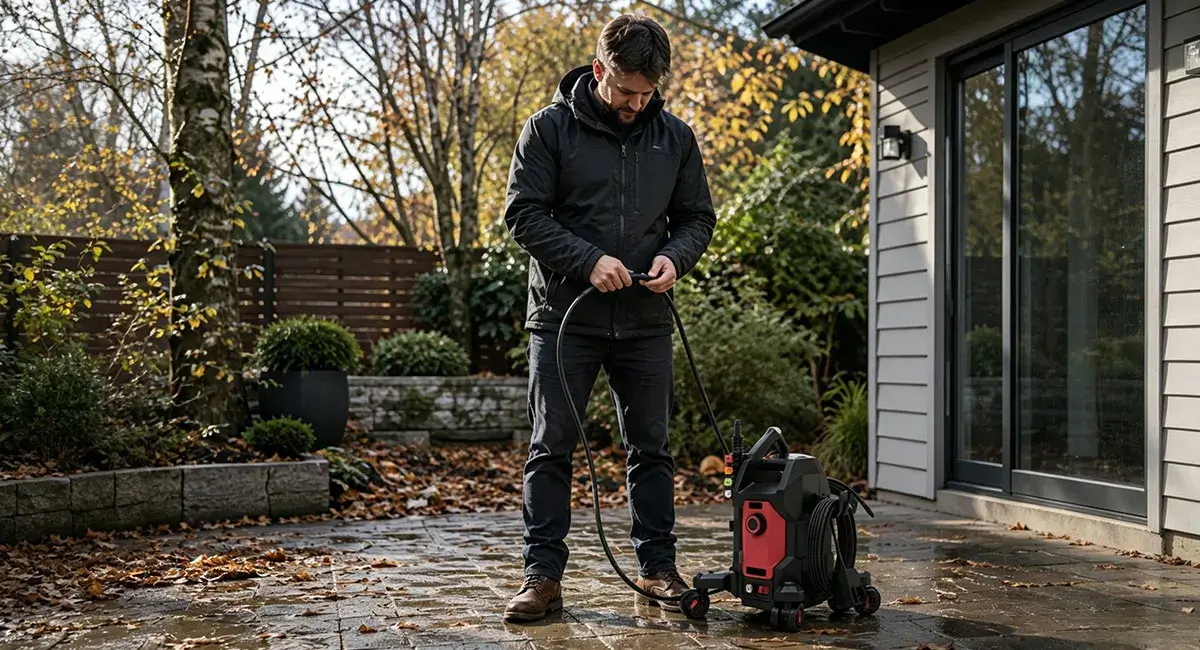
Step 1: Evacuation and Pressure Relief
First, turn off the water supply. Then, disconnect the high-pressure hose. Let the machine idle for 2-3 seconds to drain the water from the pump head. Then, pull the trigger to purge any residual pressure and water vapor from the barrel and hose until the trigger offers no resistance. This prevents bacteria from growing in stagnant water and eliminates the pressure surge upon the next startup.
Step 2: Proper Storage of the High-Pressure Hose
Store the hose correctly. Coil it into a loose, large loop. Never bend the hose sharply at the connection point to the machine or spray gun. If the internal steel braid breaks at this bend, the hose will be unusable. Use a hose reel or hang it loosely on a hook.
Step 3: Thoroughly Clean the Inlet Filter Again
It protects your pump head, so you should clean it thoroughly. Unscrew the inlet connector, remove the filter, and use a toothbrush to remove all debris. Making this a habit can at least double the lifespan of your pump head.
Freezing Prevention and Storage of Electric High-Pressure Washers
For corded electric models, the number one killer during storage is not dust, but ice formed when water freezes below zero degrees Celsius. The expansion force of ice can silently crack the pump body from the inside out.
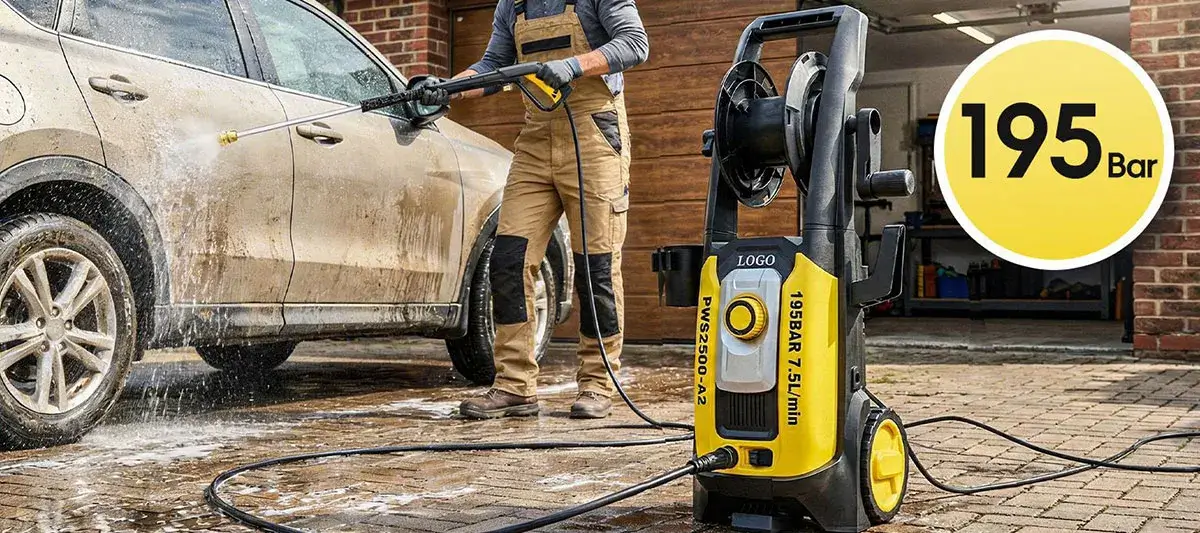
Winter Antifreeze Procedure (Check before winter)
If your room where you store your machine may drop to freezing point in winter, you can perform the “Inject Antifreeze” procedure.
① Purchase a bottle of RV antifreeze (non-toxic propylene glycol type; do not use automotive ethylene glycol coolant).
② Insert the self-priming hose into the antifreeze bottle.
③ Turn on the machine and pull the trigger until you see pink liquid flowing steadily from the nozzle.
④ Turn off the machine. This antifreeze has replaced all residual water in the pump head and lines; you have now provided antifreeze protection for your machine.
Without applying antifreeze, place the machine upright (inlet and outlet facing down) in a warm room for at least 48 hours to allow the water to evaporate or drain naturally.
Long Term Storage Environment
Find a dry, dark place where the temperature will not freeze or exceed 40°C.
For storage below 0°C, drain all water from the machine to prevent freezing inside. Avoid high temperatures and direct sunlight, as these will accelerate the aging of rubber and plastic parts under extreme temperatures and high UV radiation.
Deep Maintenance of Gasoline High-Pressure Washers After Long Winter Storage
Whether your gasoline washer can start on the first try after a long winter storage period depends entirely on whether you’ve done these three things.
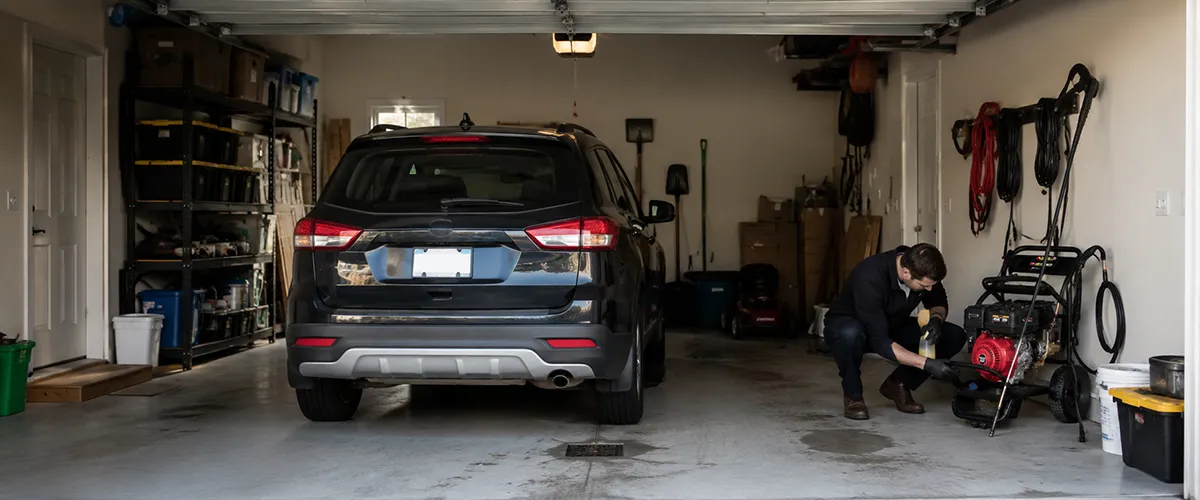
Key Operation 1: Empty the Carburetor (Crucial for 95% of Starting Difficulties)
Planned Storage for More Than 30 Days:
① Turn off the fuel switch valve on the engine (not the kill switch).
② Let the engine continue idling until it burns out all the fuel remaining in the carburetor float chamber and shuts off on its own.
After completing this step, only clean air remains inside the carburetor; no gasoline is left to gum out. This is the most important step, bar none.
Key Operation 2: Perform a "Protective Oil Change"
Old engine oil contains acidic byproducts from combustion. If left to sit in the engine for an entire winter, it will slowly corrode the crankshaft and bearings. The correct approach is to change the oil before storage. Remember: A new engine must have its first oil change after running for 5 hours (the break-in period sees the peak in metal shavings). Replace every 50 hours or quarterly.
Key Operation 3: Spark Plug Care and Cylinder Rust Prevention
Remove the spark plugs and drip about 5 ml of clean engine oil into the cylinder. Then, gently pull the starter cord once or twice (without ignition) to spread the oil. This will form an oil film on the cylinder wall to prevent rust. At the same time, check the removed spark plugs: brown is normal; black carbon deposits require cleaning or replacement. Then reinstall them.
Battery Maintenance (if equipped with an electric starter)
Disconnect the negative terminal of the battery. Lead-acid batteries must be fully charged before storage and recharged every 1-2 months; storing them at a low charge may cause permanent damage. Lithium batteries should be stored at 50%-60% charge.
Maintenance Cycle Quick Reference Table
| Maintenance Items | After each use | Every 50 hours/quarter | Every year/winter | Applicable models |
| Clean inlet filter | ✅ | All models | ||
| Drain residual water from pump head/pipes | ✅ | All models | ||
| Inspect high-pressure hoses and connectors | ✅ | All models | ||
| Change engine oil | ✅ (Replace after 5 hours of use) | ✅ | Gasoline model | |
| Replace/clean spark plugs | ✅ | ✅ | Gasoline model | |
| Clean/replace air filter | ✅ | Gasoline model | ||
| Bleed carburetor fuel | ✅ (Before storage) | Gasoline model | ||
| Pump head antifreeze treatment | ✅ (Icy area) | Electric model | ||
| Battery charging and maintenance | Monthly check | Gasoline electric start model |
High-pressure washers remember how you treat them. Spending a few extra minutes after each use, adding a bottle of antifreeze before winter, and the moment the carburetor dries out and the engine shuts off automatically—all of these will pay off with an easy start the following spring.