

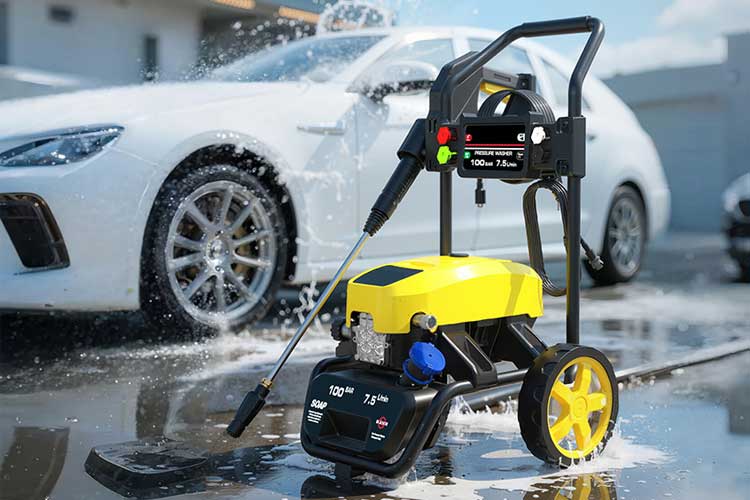
High-pressure washers offer powerful cleaning, but they can also go out of control, causing paint peeling, water splashes on skin, and even burning out the motor within seconds. Most beginners make the same mistake: treating a high-pressure washer like a regular faucet with a booster. In reality, it’s a precision hydraulic tool. Different models of high-pressure washers—household corded electric high-pressure washers, portable corded electric high-pressure washers, commercial corded electric high-pressure washers, and commercial gasoline high-pressure washers—have different danger zones.
We highlight what you absolutely must not do and the warnings you must remember to establish a safety barrier before pulling the trigger. For post-use care and long-term storage, please refer to our dedicated guide, *High-Pressure Washer Maintenance: The Complete Care Manual*.
Before Use – Overlooked Checks That Can Total Your Machine Instantly
Many damages occur before the machine even sprays out a single drop of water. The following three general checks and model-specific warnings are essential for passing the test.
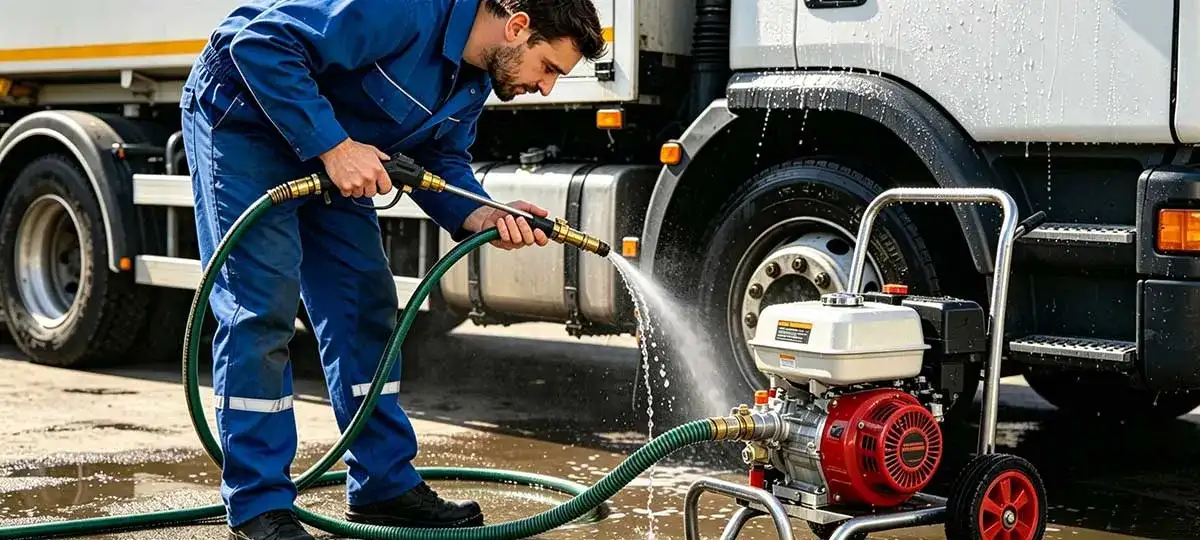
1. Three-Minute Life-or-Death Check for All Models
Inlet Filter – The Invisible Killer of Pressure
Unscrew the inlet connector and remove the small stainless steel filter screen (about the size of a finger). If it’s clogged with sediment or scale, your machine will exhibit fluctuating pressure and unusual pump noises. Cleaning it only requires an old toothbrush; forgetting about it can result in a one-way valve shattered by sand. No matter how rushed you are, take a look at the filter screen.
High-Pressure Hose – The Pressure Bomb in Your Hands
Run your hand along the hose. Any bulges, exposed braided mesh, or crushed deformation indicate that the hose is nearing the end of its life. At rated pressure, if such a weak point bursts, the high-pressure water jet can easily cut through skin, causing injection wounds requiring emergency debridement. If there are external injuries, replace the hose immediately.
Nozzle – The Last Line of Defense Against Pressure Relief
The nozzle is the “last gate” for the safe operation of a high-pressure washer. Regular cleaning and proper operation not only extend the equipment’s lifespan but also prevent accidental injuries. Always remember: “Small oversights can lead to major disasters; safety details determine success or failure.”
2. Safety Power-On Checks Specific to Corded Electric High-Pressure Washers
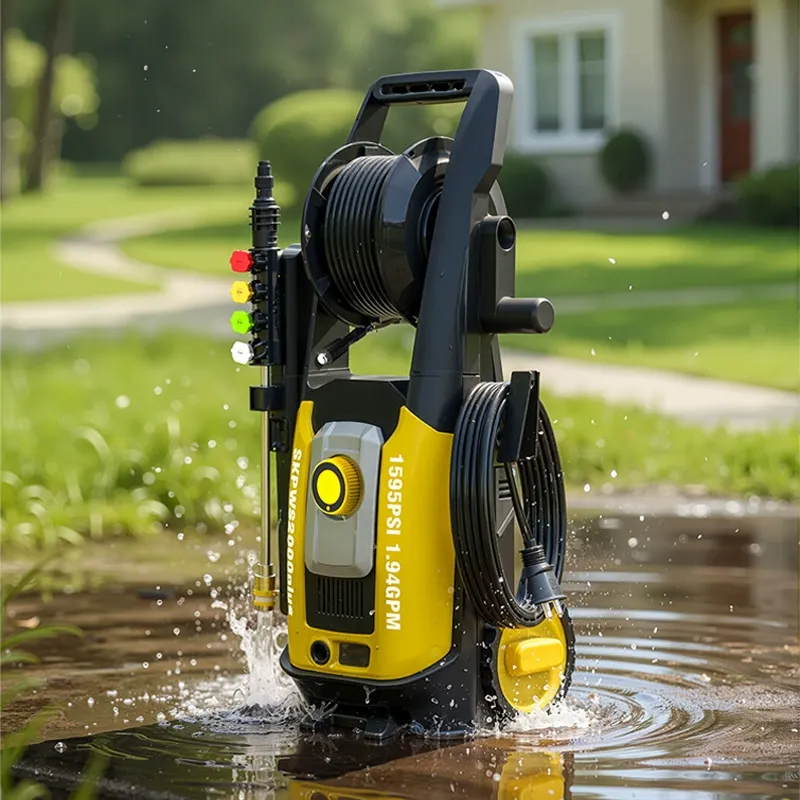
Regarding the power supply, take the best precautions.
Your home, portable, and commercial corded models must be plugged into a socket with residual current device (GFCI). This is the last line of defense against electric shock. If you must use an extension cord, remember this life-saving formula: cord length ≤ 10 meters, wire diameter ≥ 1.5mm²; cord length ≤ 30 meters, wire diameter ≥ 2.5mm². Using a thin, long cord will not reduce pressure; instead, it will cause current to accumulate in the cord, generating heat until the motor coil insulation melts.
Portable Model Self-Suction Warning
When using a portable machine to draw water from a bucket, if no water sprays from the nozzle within 5 seconds of turning it on, immediately stop the machine. Portable pressure washer pumps have a small water capacity, and the heat buildup from dry grinding is unforgiving; exceeding 30 seconds may damage the seals.
3. Pre-start Checks Specific to Commercial Gasoline Pressure Washers
Engine oil is the lifeblood of your engine
Check the oil level with the dipstick. The oil level must be in the middle of the mark. Add engine oil separately to the crankcase. Do not add two-stroke fuel mixture to the tank, as this will cause engine wear.
Gasoline should not be stored for extended periods
If gasoline in the tank cannot burn completely, add fuel stabilizer. Otherwise, commercially available gasoline containing ethanol will absorb water and produce gum after more than 30 days. This gum will clog the tiny oil ducts inside the carburetor, which are finer than a hair.
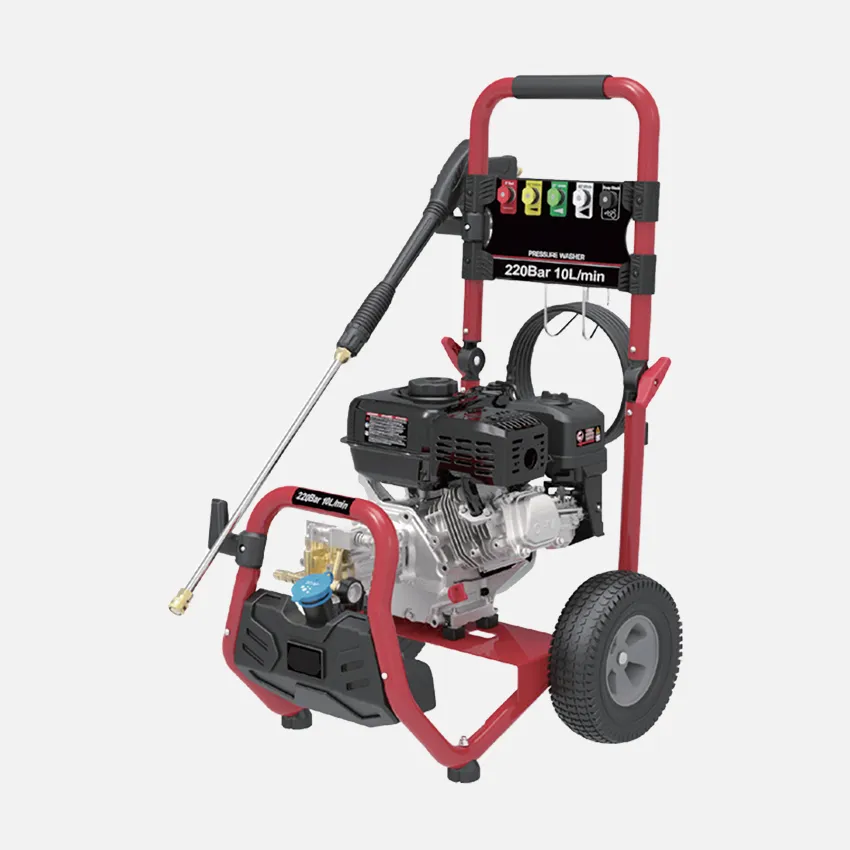
Carbon monoxide
Always start and run the engine outdoors in a completely open area. Even with the garage door wide open, exhaust fumes from commercial engines can accumulate to lethal levels within minutes.
In Use: Several Actions That Can Most Destroy a Machine During Cleaning
The machine is running smoothly. However, danger often lurks in moments when everything seems to be going well.
1. The "Death Situation" of the Trigger Gun
Prolonged Standby Mode
While the machine is running, ensure a constant water flow. Household electric washer machines should not be left in standby mode for extended periods. Maintaining this state for approximately 5 minutes will cause the stagnant water inside the pump to heat up like in a microwave oven, damaging the seals. For commercial water purifiers without a bypass valve, pressure buildup can also damage the machine.
Do Not Rapidly and Continuously Pull the Trigger for Intensive Sprays
Each press of the trigger on an electric washer generates a powerful surge of starting current from the motor. Continuous pressing within one minute will trigger overheat protection, causing the machine to stop and potentially causing serious damage. Gasoline-powered models generate a pressure shockwave each time the gun is turned off, repeatedly striking the pump head’s check valve spring until the metal fatigues and breaks.
2. Electric Models: Sudden Stoppage Isn't a Breakdown, It's a Self-Survival Mechanism
Identifying Overheat Protection Shutdown
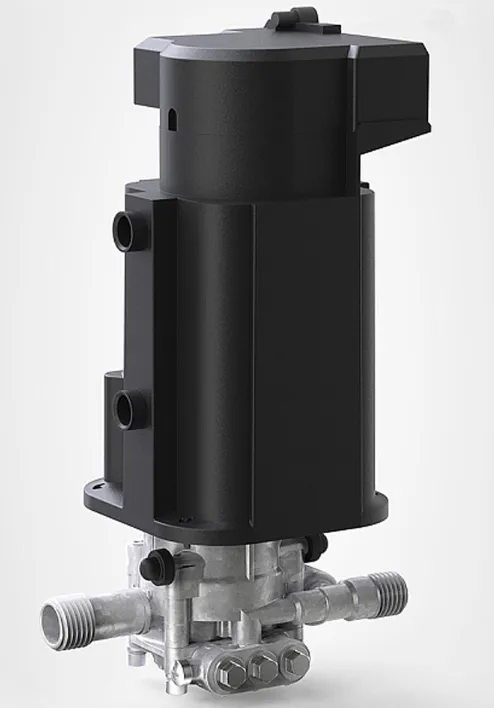
If your commercial electric model suddenly stops working, but the power indicator light is still on, it means the motor thermal protection switch has tripped, saving your coils. Do not repeatedly press the switch to try and hard restart; doing so is like repeatedly shocking a heart patient in an emergency room. Move the machine to a cool, well-ventilated area, unplug it, and let it cool naturally for 20 minutes.
Mandatory Rest Rules for Commercial Electric Models
Even with industrial air-cooled motors, please adhere to the bottom line: a 10-minute break every 40 minutes of operation. The heat accumulated from continuous operation cannot be suppressed indefinitely by a small fan.
3. Gasoline Model: Two Immediate Actions to Protect Engine Life
When Not Flushing, Shift to Idle (Low Idle Speed)
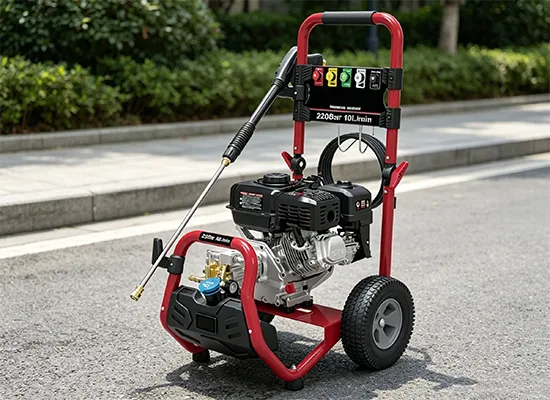
When you walk away with your broom or to get a second bucket of cleaning fluid, casually shift the accelerator to low idle. If the pump is running at high RPMs without spraying water, the water temperature can rise to a level that damages internal parts within minutes. Shifting to idle is a quick, one-second action that could save you expensive pump head repairs.
Never Leave the Cleaning Machine Tilted
Engines rely on splash lubrication. If you tilt the machine more than 15 degrees to go over a threshold or step, the oil in the crankcase will flow to one side, and the connecting rods could be damaged due to lack of lubrication within seconds. Keeping it level is an ironclad rule for gasoline engines.
Three Fatal Misconceptions That Must Be Corrected
Misconception 1: "The Higher the Pressure, the Cleaner it Gets; The Red Nozzle is the Most Powerful and Easiest to Use."
The red-head 0-degree nozzle is a high-pressure cutter designed to cut stubborn cement blocks, not for washing cars, wood, or air conditioner outdoor units. Using it to wash a car will cut a groove in the paint within 10 seconds. Cleanliness depends on water flow and the appropriate fan angle, not high pressure.
Misconception 2: "Hot Water on Electric Models Will Dissolve Oil Stains Faster."
Strictly prohibited. The water seal temperature rating of all standard electric pumps does not exceed 40℃. Connecting to hot water is equivalent to directly soaking and deforming these rubber seals, resulting in immediate leakage at the bottom of the pump head. For situations requiring hot water, please use a dedicated hot water pressure washer.
Misconception 3: "Never Block the Small Drip Hole at the Bottom of the Pump Head."
Stop! That small hole is the lubrication/leakage indicator for the water seal. A few occasional drops of water indicate that the water seal is being properly lubricated and cooled. Only when water flows continuously and in a straight line from here does it indicate that the water seal is damaged and needs replacement. Blocking it is equivalent to blocking the water pump’s breather, which will cause abnormal internal pressure.
Doing these things will only make your machine run. To ensure it runs smoothly for ten years, please continue reading our “Complete Guide to High-Pressure Washer Maintenance: From Routine Maintenance to Long-Term Storage“.