

Keeping your vehicle clean isn’t just about aesthetics; it also protects the paint and extends the car’s lifespan. Nowadays, more and more car owners are using pressure washers because they are faster and more efficient than regular hoses. However, using the wrong PSI pressure can damage the paint, plastic trim, or rubber seals.
What Does PSI Mean in a Pressure Washer?
If you’ve ever looked at a pressure washer specification sheet, you’ve probably seen the term “PSI” everywhere. For many people, higher PSI sounds better because it usually means stronger cleaning power. But when it comes to washing cars, more pressure doesn’t always mean better results.
PSI stands for “Pounds per Square Inch.” Simply put, it measures how much pressure the water has when it comes out of the pressure washer nozzle.
You can think of PSI as the “strength” of the water spray. The higher the PSI, the harder the water hits the surface.
In fact, choosing the wrong PSI is one of the most common reasons people accidentally damage their vehicle paint while washing their car at home.
Why PSI Matters So Much When Washing a Car?
When washing a driveway or concrete floor, extremely high pressure can be helpful. But cars are different. Vehicle paint, clear coats, trims, and rubber seals are much more delicate than concrete surfaces.
This means using excessive PSI can actually cause damage instead of helping.
Low PSI: Safer but Slower
A lower PSI pressure washer is generally safer for vehicles because the water impact is gentler.
It works well for:
- Weekly car washing
- Removing dust and light dirt
- Cleaning vehicles with sensitive paint
The downside is that very low PSI may struggle with thick mud or heavy road grime, meaning you may need more time to clean the vehicle completely.
High PSI: Faster Cleaning but Higher Risk
Higher PSI can remove dirt much faster, especially stubborn grime stuck around tires or under the vehicle.
However, if the pressure is too strong or the nozzle is too close, it may damage:
- Car paint
- Clear coat finishes
- Vinyl decals and stickers
- Rubber seals around windows and doors
In some cases, extremely high PSI can even peel loose paint or strip wax protection from the vehicle surface.
That’s why professional detailers always focus on using the correct pressure instead of simply choosing the highest PSI available.
Why PSI and GPM Need to Work Together?
PSI = Water Pressure
PSI determines how powerful the water impact is.
GPM = Water Flow Volume
GPM stands for “Gallons Per Minute,” which measures how much water flows through the machine every minute.
For car washing, the best cleaning results usually come from balanced PSI and GPM rather than extreme pressure alone.
For example:
- Extremely high PSI with very low GPM may feel aggressive but rinse poorly.
- Moderate PSI with good GPM often cleans more safely and efficiently.
This is why many professional car washing pressure washers focus on moderate pressure combined with stable water flow.
Ideal PSI Range for Washing Cars
1200–1500 PSI: The Safest Option for Everyday Car Washing
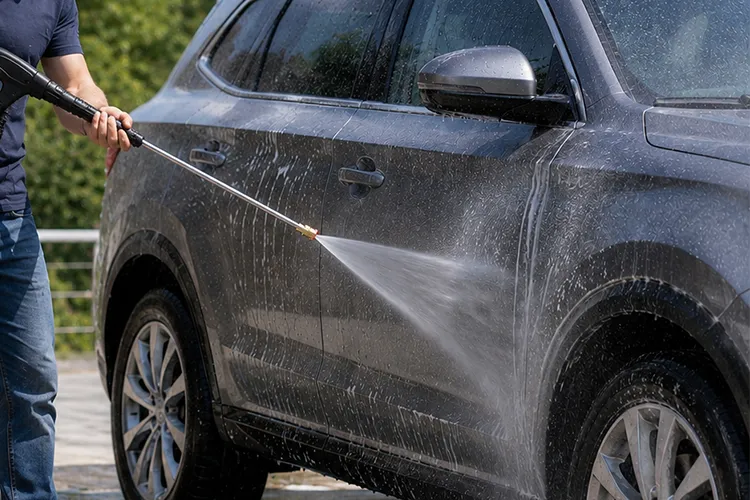
For most car owners, a pressure washer between 1200 and 1500 PSI is more than enough for regular cleaning.
This range is considered one of the safest choices because it provides gentle but effective cleaning pressure.
It works especially well for:
- Sedans
- SUVs
- Electric vehicles
- Luxury cars
- New vehicles with delicate paint finishes
If you wash your car weekly to remove dust, light dirt, pollen, or general road grime, this PSI range is perfect. Many people find that with the right cleaner and foam bottle, medium pressure is actually quite effective. Another important advantage is that a lower PSI significantly reduces the risk of damaging the paint, decals, wax, and plastic parts. For novice or average family drivers, this is usually the most worry-free and easiest pressure range to use.
1500–1900 PSI: The Best Overall Balance for Most People
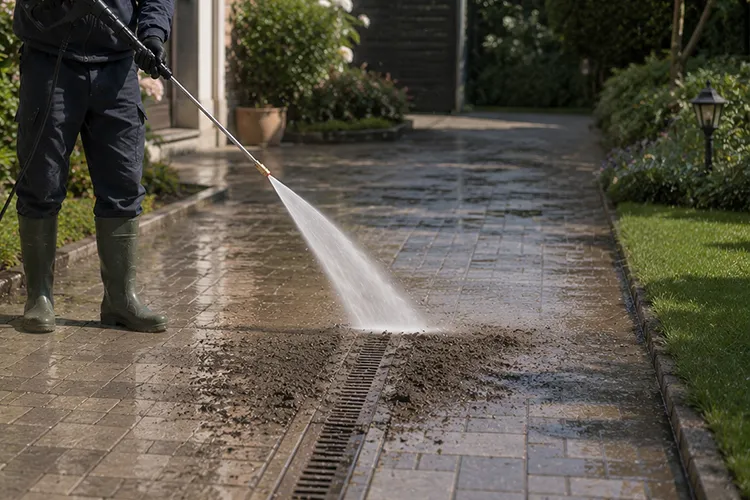
If you want stronger cleaning power without stepping into risky pressure levels, 1500–1900 PSI is usually the sweet spot.
This range is extremely popular among homeowners because it handles heavier dirt much more easily while still remaining relatively safe for automotive paint.
It can quickly remove:
- Road grime
- Thick mud
- Bird droppings
- Salt residue from winter roads
- Dirt buildup around wheels and tires
For users living in areas with frequent rain, snowy winters, or dusty roads, this PSI range makes car washing much easier. The key is proper operation. As long as you use a wide-angle nozzle and avoid getting too close to the vehicle, this pressure range is generally safe for the car. This is also what many people consider the most suitable “all-around pressure range” for home car detailing and washing.
2000–2500 PSI: Better for Trucks and Heavy Dirt
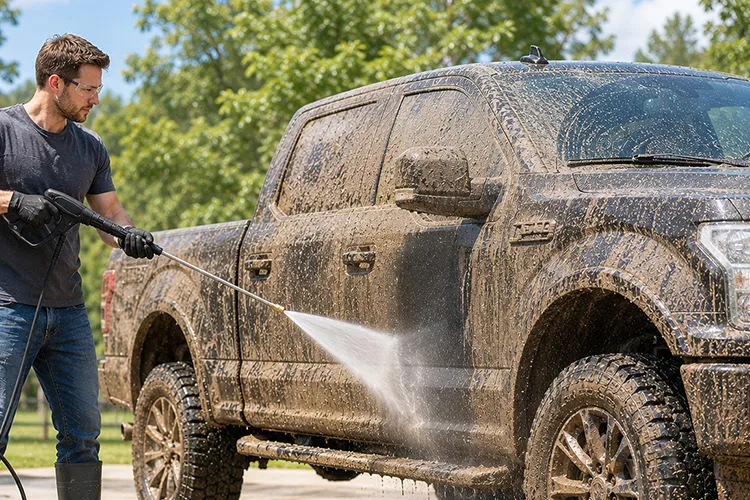
Once you move above 2000 PSI, the cleaning force becomes noticeably stronger.
This range is usually better suited for vehicles that regularly deal with harsh environments and heavy dirt buildup.
Examples include:
- Pickup trucks
- Off-road vehicles
- Commercial vans
- Farm vehicles
- Construction-related vehicles
These vehicles are often covered in thick mud, sand, or stubborn grime, making them less efficient to clean with low-pressure machines.
However, once the pressure enters this range, operating technique becomes even more crucial. If the nozzle is too close to the vehicle, the increased water pressure can damage the surface. This is why professionals typically recommend maintaining a safe spray distance of 12–24 inches. A 40-degree nozzle is also highly recommended within this pressure range. For experienced users, 2000–2500 PSI is still safe for car washing, but it requires better control and operator awareness compared to low-pressure machines.
Why 3000+ PSI Is Usually Too Aggressive for Cars
Many commercial-grade pressure washers exceed 3000 PSI, and while they are excellent for industrial cleaning, they are often too aggressive for regular car washing.
At this level, the water stream becomes powerful enough to damage vehicle surfaces if used incorrectly.
Potential problems include:
- Stripping protective wax coatings
- Damaging clear coats
- Cracking plastic trim
- Peeling loose paint
- Forcing water into seals and electronics
Many people believe that a higher PSI (Power Saturation Index) means a faster and cleaner car wash. However, excessive pressure often only increases unnecessary risks. Professional car detailers sometimes use high PSI machines, but they rely on specialized nozzles, correct angles, and extensive experience to avoid damage. For most home users, keeping the pressure below 2000 PSI is generally safer and more reasonable.
So What PSI Is Actually Best for Car Washing?
For most users, the ideal pressure washer range remains 1200–1900 PSI. This range provides sufficient cleaning power while ensuring safety for everyday vehicle washing.
When combined with a foam pot, a 40-degree nozzle, and proper washing techniques, it can achieve near-professional-level cleaning results without damaging the vehicle.
How to Choose the Right Pressure Washer for Your Vehicle
For most users, 1200–1900 PSI remains the safest and most practical car wash option. If you frequently wash large vehicles or handle heavy mud, a machine closer to 2000 PSI will be more efficient.
Instead of solely pursuing the highest pressure, focus more on:
- Adjustable pressure
- Stable water flow
- Suitable nozzles
- Foam pot compatibility
- Reliable workmanship
Ultimately, the best pressure washer should be one that can clean efficiently while also protecting your vehicle safely.