


High-pressure washers are efficiency multipliers in the cleaning industry, whether you want to quickly clean a muddy vehicle or remove years of grease from a commercial kitchen back alley. However, before the high-pressure water jets spray out, there’s a harsh reality: the operating logic of corded electric models is completely different from that of commercial gasoline models. Repair data shows that over 60% of new machine failures are not due to product quality, but rather to incorrect starting during initial use—especially motor burnout from idling and engine seizure in gasoline models.
Here, we will strictly differentiate your product line and break down each step of the operation for you. Before you begin, please remember that high-pressure water can cut skin; always wear protective eyewear.
Before Pulling the Trigger – a Universal Rule for All Models
Before distinguishing between electric and gasoline models, please complete the following three checks. Ignoring these steps will render even the most expensive commercial machine nothing more than a pile of scrap metal.
1. Water Supply Connection
For all corded electric models (home, portable, commercial), ensure the water flow from the tap is sufficient to drive the pump head. After connecting the water hose, turn on the tap and hold the handle of the washer gun until a continuous flow of water without air bubbles is emitted. This step is called “air purging.” If air gets into the pump head and it runs dry, the water seal will burn out within 15 seconds.
2. Quick Reference Chart for Nozzle Color and Impact Force
* Notice: Do not point a red-tipped nozzle at your car.
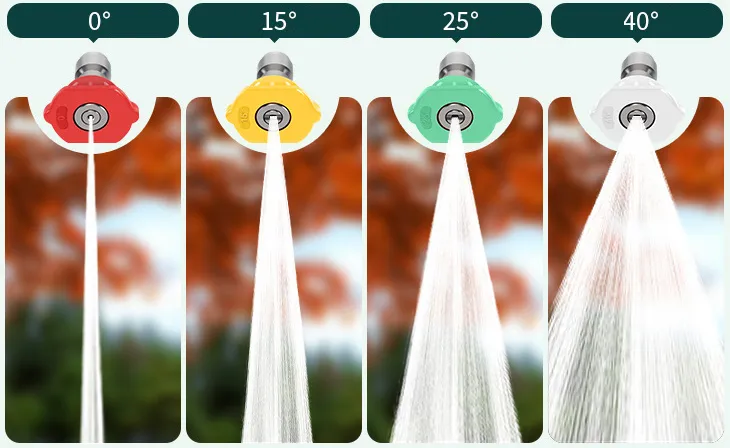
🔴 0 degrees (Red): Industrial rust removal and stubborn cement blocks only. Never use on living organisms or painted surfaces.
🟡 15 degrees (Yellow): Commercial gasoline engine cleaning for heavy oil stains and driveway moss removal.
🟢 25 degrees (Green): Ideal angle for home electric car washing.
⚪️ 40 degrees (White): Wooden patios, windows, and portable bicycle washing.
3. Electrical and Oil Check
Special Note for Electric Models: Do not use thin, ordinary power strips. All corded electric models must be plugged into a socket with residual current device (GFCI). For long-distance operation, please use a heavy-duty extension cord with a wire gauge of 12 or higher.
Special Note for Gasoline Models: Check that the engine oil level is in the middle of the dipstick. Do not fill four-stroke commercial engines with two-stroke gasoline mixed with engine oil; otherwise, the spark plugs will be immediately damaged.
Detailed Operation Guide for Different Unit Types
A. How to use an electric high-pressure washer (home corded, portable corded, commercial corded)
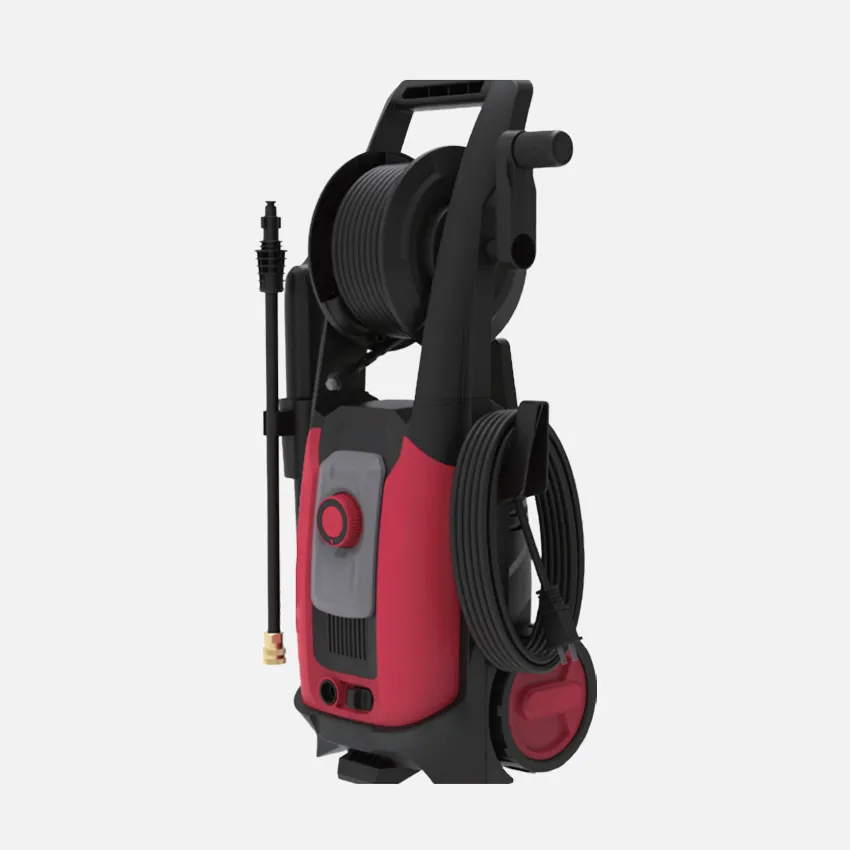
Connection: Connect to water and electricity (GFCI).
Pressure Release: With the machine off, pull the trigger to purge air from the water pipes.
Power On: Press the switch.
Intelligent Shutdown: This is a core advantage of the home model—releasing the trigger automatically depressurizes the pump head and stops the motor from running, saving energy and operating quietly. However, please note: Do not leave the machine in this standby state for more than 5 minutes to prevent the internal water temperature from rising and damaging the seals.
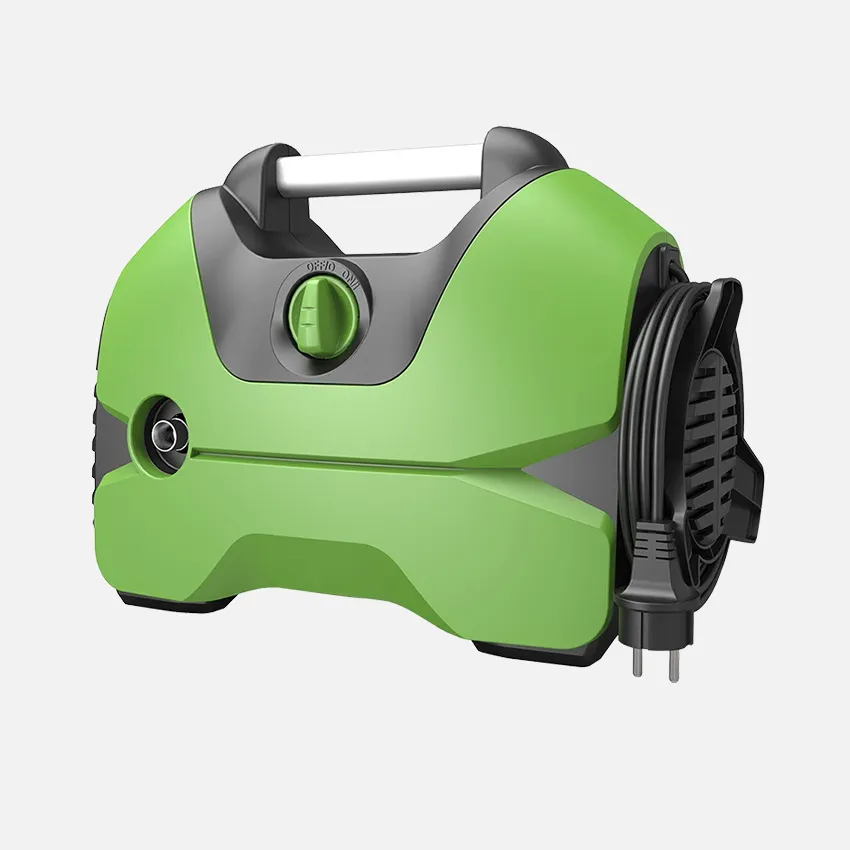
Self-priming mode (water from a bucket): Connect the self-priming hose and place it in the bucket – connect the high-pressure hose – turn on the pump and let the pump head run – immediately pull the trigger. If no water comes out within 5 seconds of starting, stop the machine immediately and add water; otherwise, the pump head will die.
Special reminder: Due to its small size and poor heat dissipation, do not operate continuously for more than 30 minutes.
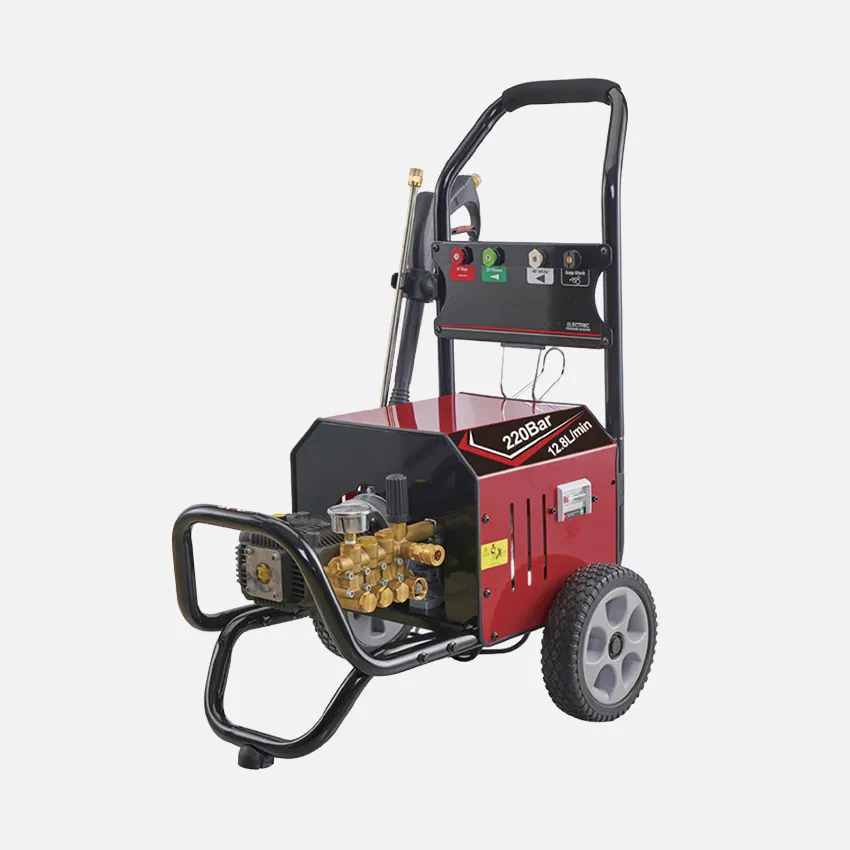
The procedures are the same as for the home model, but emphasize continuous industrial-grade operation.
Protection Tips: It is recommended to adopt an intermittent system of 30 minutes of operation followed by a 5-minute rest. Although commercial motors are durable, the heat load generated by prolonged stalling (with the nozzle off and not spraying water) is still a major threat to the motor.
B. How to use a commercial gasoline high-pressure washer (engine starting specific guide)
Starting the engine is the most difficult part to do and the easiest way to damage the machine. Please strictly follow the following cold start procedure:
1. Water Flow First Principle: Connect the water hose, turn on the tap, and pull the trigger until a steady stream of water sprays from the nozzle. This is even stricter than for electric vehicle models; the water flow must completely cover the pump head for lubrication.
2. Throttle and Choke Settings:
• Throttle: Push to low idle speed.
• Choke: Push to fully closed when the engine is cold (usually the lever is turned left and upwards).
3. Starting: Gently pull the starter rope until you feel resistance, then pull sharply. After hearing a knocking sound, immediately push the choke to half-open.
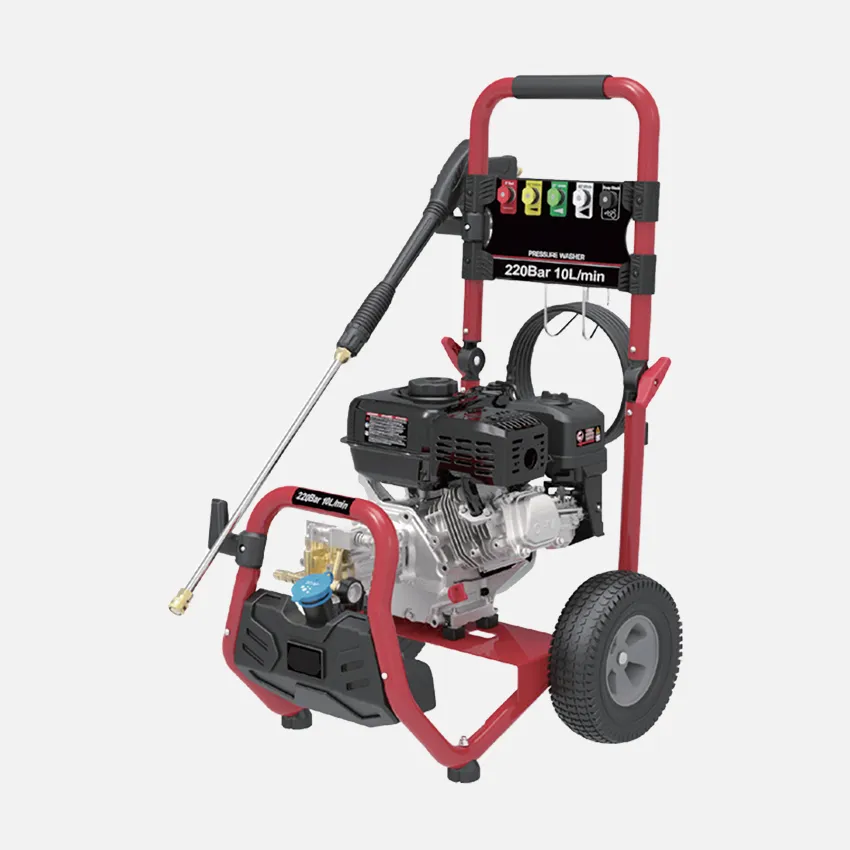
4. Warming Up: Let the engine idle for 1 minute, then fully open the choke, pull the trigger, and adjust the throttle to high RPM to begin cleaning.
5. Crucial Finishing: After cleaning, do not turn off the engine directly. You must turn off the water tap, pull the trigger to release pressure, then adjust the throttle to idle speed and let the engine idle for 2 minutes to allow the engine coolant to circulate and cool down. Turning off the engine directly will cause heat buildup inside the gasoline engine, damaging the cylinder head gasket.
Quick Reference Table of Practical Tips for High Pressure Washers
| Cleaning Target | Recommended Model | Recommended Nozzle and Distance | Tips |
| Cars / Motorcycles | Portable Electric / Household | 25° Green / 16″+ Distance | Pre-foam and let dwell for 3 mins. Rinse top-down.Never spray upwards into the grille. |
| Concrete Driveways | Commercial Gas / Commercial Corded | 15° Yellow + Surface Cleaner | Keep the nozzle moving at a steady pace. Pausing for 1 second can etch the concrete. |
| Wood Decks | Household Electric | 40° White / 20″+ Distance | Spray with the grain. If the wood feels fuzzy afterward, pressure was too high or distance too close. |
Must-Avoid "Damage-Prone" Operations and Safety Red Lines
❌ Do not wash people or animals: Even a 40-degree Celsius water hose can cause severe subcutaneous tissue damage from water ingress upon close contact.
❌ Do not bend the water inlet of electric models: The most common leak in household corded models is caused by users forcefully bending the water pipe against the water inlet filter for easy storage, causing the internal plastic check valve to break.
❌ Do not use gasoline models indoors: Carbon monoxide is colorless and odorless; with the garage door only half open, a commercial gasoline engine can reach a lethal concentration within 5 minutes.
❌ Do not dry-run without water: Whether electric or gasoline, the pump head water seal only lasts 15 seconds without water lubrication.
Through the above information, you have mastered the usage techniques for all scenarios, from corded electric models to commercial gasoline engines. Remember this simple principle: Choose electric for light work, less hassle with frequent stops; choose gasoline for heavy work, and be patient with warm-up.
When the seasons change or during long-term storage, be sure to drain any water from the pump head to prevent it from freezing and cracking. If you encounter a sudden drop in pressure or difficulty starting during use, please refer to our next special feature: “Precautions for Using a High-Pressure Washer“.